 how-to
How to Find a Consistent Barber: A Practical Guide
Last Updated: October 23, 2026
Quick Summary
To find a consistent barber, test one candidate over three visits and stay only if two of the three cuts are ones you'd happily wear again without a fix. Book the next appointment before you leave and keep a photo of your best cut to hand over each time.
- Check for a tidy station, sharp tools, and a real consultation before you sit down.
- Combine a reference photo with plain words about length, shape, and finish.
- Track each visit in a five-field note covering date, request, result, one-week fit, and one change.
- Most short styles need a cut every three to five weeks; longer styles can stretch to six or eight.
- Score candidates 1 to 5 on skill, communication, booking, and value; 16 or higher is a strong pick.
Table of Contents
- Why a Consistent Barber Beats a Rotation of Strangers
- Signs of a Good Barber: What to Look For Before You Sit Down
- Questions to Ask a Barber During Your First Consultation
- How to Explain a Haircut to a Barber So You Get What You Want
- Test the Fit: A Repeatable Process Across Your First Three Visits
- How Often to Get a Haircut (and How to Keep the Cut Consistent)
- Booking, Continuity, and Comfort: The Logistics of Staying Consistent
- Frequently Asked Questions
Why a Consistent Barber Beats a Rotation of Strangers
Finding a consistent barber is the single best move you can make for your hair.
Jumping between shops means repeating yourself at every chair. Each new barber starts from zero: you describe the taper, show the reference photo, and hope.
A steady barber builds a running file in their head, your cowlick, the sides a little tighter.
Below: how to find that person, test the fit, and keep the relationship working for years.
Signs of a Good Barber: What to Look For Before You Sit Down
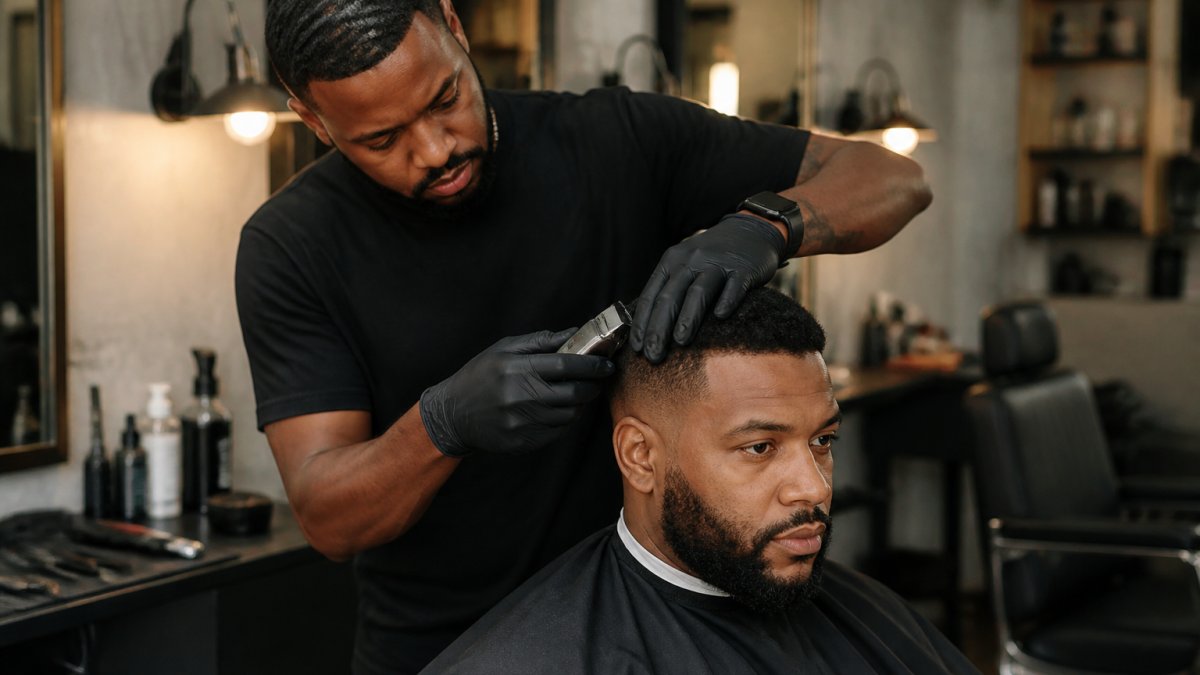
A good barber shows clear signals before the cape goes on: a clean station, sharp tools, and questions before anyone touches your hair. Those three things tell you more than any sign in the window.
Here's what to check on your first walk-in:
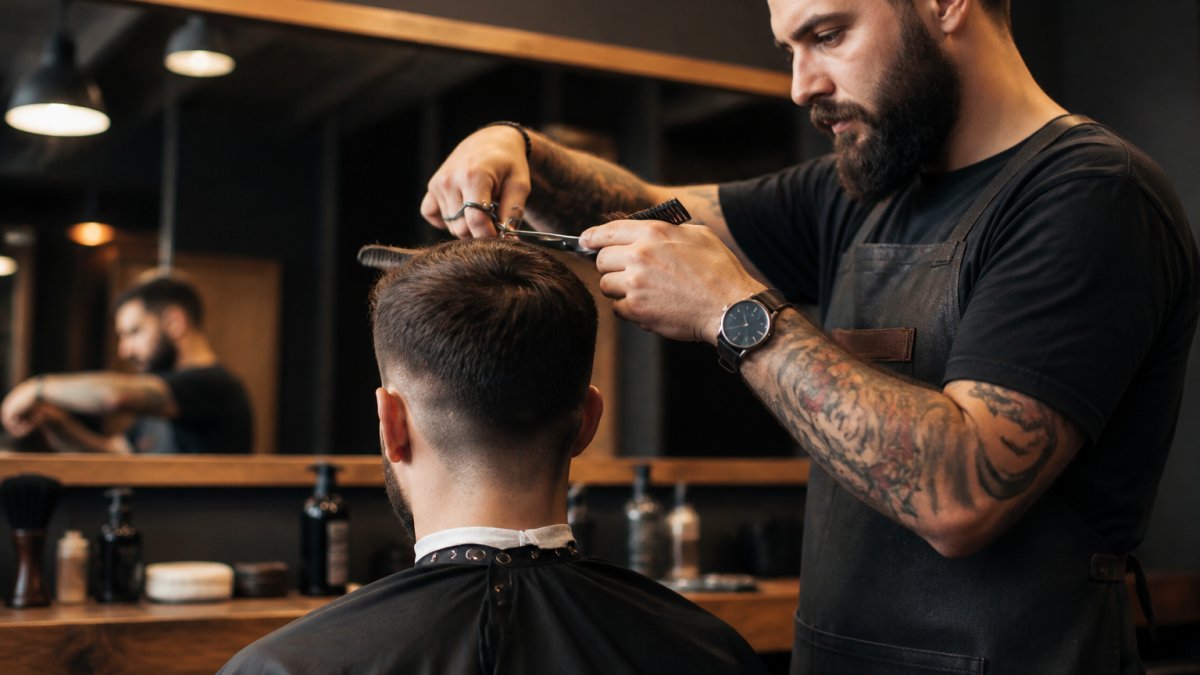
- A tidy station. Clippers are oiled, blades are clean, and the counter isn't buried in loose hair.
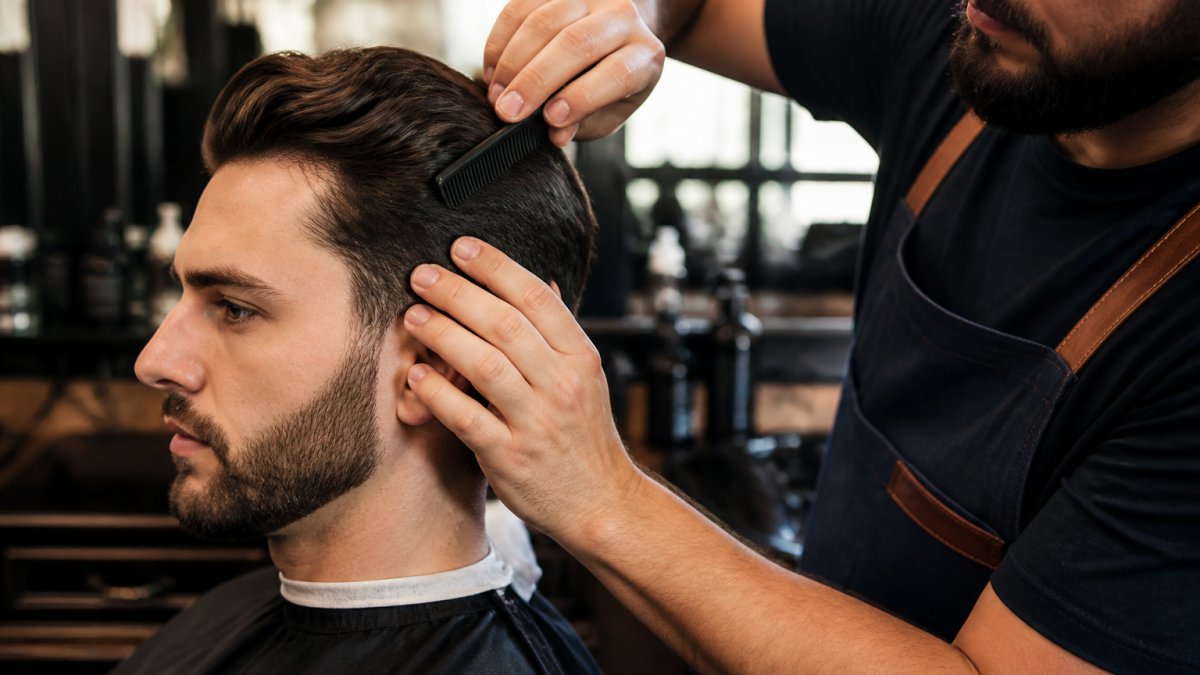
- A real consultation. They ask what you want and repeat it back before cutting.
- Clear specializations. Fades, tapers, scissor work, and beard trims each take different skills. A barber who names their strengths is a barber who knows their limits.
Watch how they handle the client ahead of you. A barber who rushes the finish on a stranger will rush yours too.
If you want a broader read on what separates skilled barbers from the rest, the barber-based health intervention trial published in a peer-reviewed journal is a reminder of how much trust clients place in their barber.
Questions to Ask a Barber During Your First Consultation
Ask direct questions during the consultation. A skilled barber welcomes them. The answers tell you whether this person can deliver the cut you actually want.
Try these:
- "How long have you been cutting hair?" Experience level matters, but so does recent practice. Five focused years can beat fifteen rusty ones.
- "What's your specialty?" Listen for fades, tapers, scissor work, or beard trims. Match it to your hairstyle.
- "Can you show me examples of this cut?" A portfolio answers more than words ever will.
- "How do you handle my hair texture?" Curly, straight, thick, and fine hair all behave differently. A good barber has a plan for yours.
- "How long will this take?" A realistic time estimate shows they respect your schedule.
- "What do you recommend for my face shape?" A style recommendation built for you beats a trend copied from a photo.
The delivery matters as much as the answers. A barber who thinks out loud will communicate well over time.
How to Explain a Haircut to a Barber So You Get What You Want
The clearest way to explain a haircut is to combine a reference photo with plain words about length, shape, and finish. Photos alone leave too much open to interpretation.
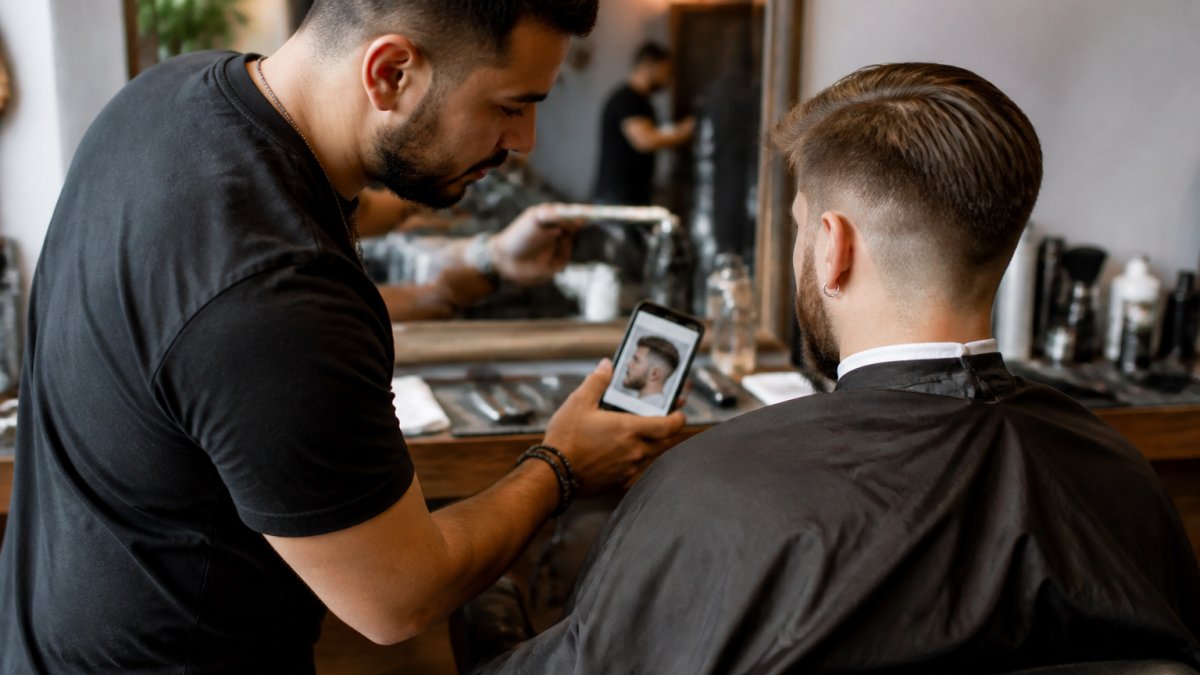
A reference photo only works if you point at the right parts. Say "I like the top length here, but I want the sides shorter than this." That single sentence prevents most bad cuts.
Cover these four points every time:
- Length on top. Use fingers or a number, not vague words like "short."
- Sides and back. Name the fade or taper you want, and where it should start.
- Blend and transition. Ask how they'll connect the top to the sides.
Save your own photos too: front, side, and back shots after a cut you love give the next visit a clear target.
Test the Fit: A Repeatable Process Across Your First Three Visits
Judge a barber over three visits, not one. A single great cut can be luck; three consistent cuts prove skill, communication, and reliability. Visit one reveals consultation style, visit two reveals memory, and visit three reveals whether the relationship holds up.
Here's the process we'd suggest:
| Visit | What to Test | What to Watch For |
|---|---|---|
| Visit 1 | Consultation and first cut | Do they listen and repeat your request back? |
| Visit 2 | Consistency | Does the cut match the last one without notes? |
| Visit 3 | Communication and comfort | Do they remember your preferences and adjust well? |
On visit two, don't remind them of every detail. A barber who remembers your preferences without prompting is a keeper; one who needs the full description again is still learning your hair.
Visit three is about comfort: small talk, wait time, and how they handle a small adjustment all count. The relationship should feel easy by now.
What to Track Between Visits
A three-visit test only works if you actually record what happened. Keep a simple note on your phone with five fields, filled in within an hour of each appointment:
- Date and barber name. So you can compare visits without relying on memory.
- What you asked for. The exact words and any reference photo you used.
- What you got. Length on top, sides and back, blend, and finish, in the same terms you used in the consultation.
Visit one often feels great because everything is new, visit two reveals whether the barber retained your preferences, and visit three exposes small frictions, a rushed finish, a different read of the same photo, a growing wait. Tracking those frictions turns a vague feeling into a decision.
When to Stay and When to Move On
Use a simple rule: stay if two of the three visits produced a cut you'd happily wear again without a fix, and the barber adjusted well when you asked for a change. Move on if you had to re-explain the same details on visit two, if the cut needed a correction both times, or if the barber dismissed your feedback rather than working with it.
How Often to Get a Haircut (and How to Keep the Cut Consistent)
Most short styles need a cut every three to five weeks; longer styles can stretch to six or eight. The right frequency depends on how fast your hair grows and how tight you like the finish.
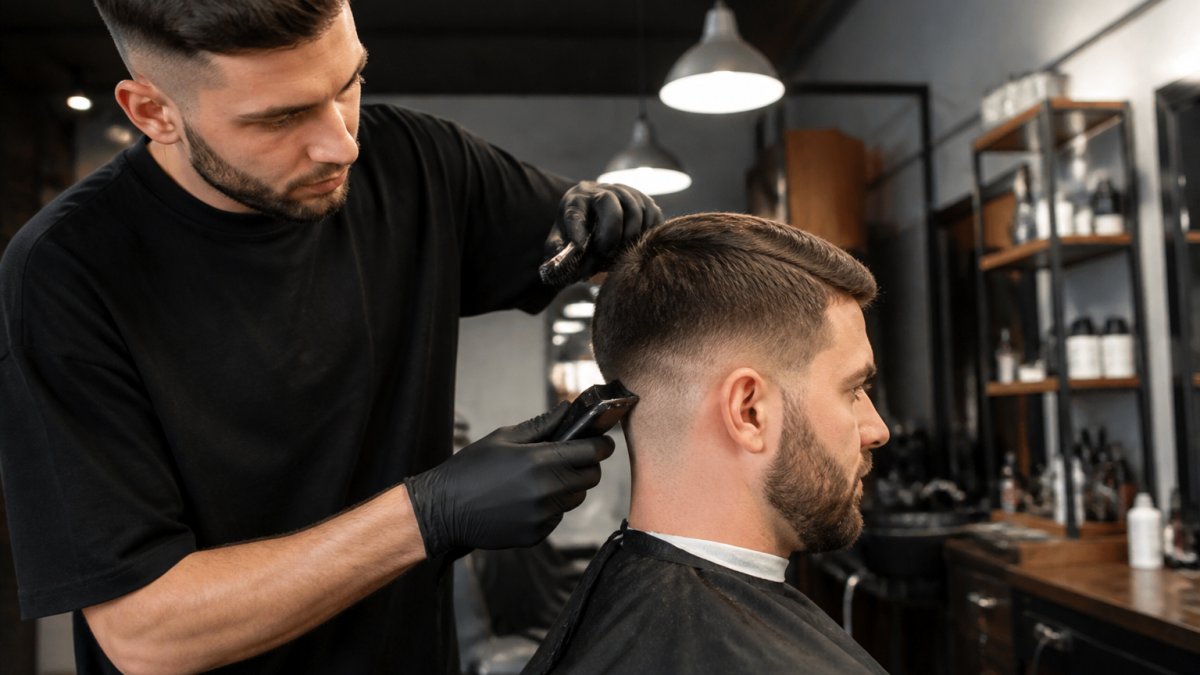
Short fades show grow-out fastest, the sides lose their clean line first. For a crisp taper, book every three to four weeks; textured or longer styles usually hold their shape at five to six.
Keeping the cut consistent takes small habits:
- Book the next appointment before you leave. Repeat appointments protect your slot and your barber's memory of your cut.
- Keep a photo of your best cut. Hand it over at the start of the visit.
- Mention changes early. If you want to grow the top out, say so before they start cutting.
Growth takes time. A cut looks its best a few days in, once the hair settles. Judge the result after a week, not in the chair.
Booking, Continuity, and Comfort: The Logistics of Staying Consistent
Staying consistent comes down to logistics. A barber you love who's impossible to book won't stay your barber for long. Check availability, wait time, and booking options before you commit.
Ask yourself a few practical questions:
- Can you book online, or is it walk-in only?
- Do they offer evening or weekend barber appointments?
- How long does a typical visit take?
Convenience matters more than people admit. A great cut you can't fit into your schedule becomes a stressful errand; a solid cut at a shop that respects your time becomes a habit.
Rebooking and Continuity Mechanics
Consistency is built at the end of the appointment, not the beginning. Before you leave the chair, do three things:
- Book the next appointment while you're still in the shop. Rebooking on the spot protects your slot and gives your barber a reason to remember your cut. If the shop only takes walk-ins, ask what day and time tends to be slowest and aim for that window.
- Confirm how the shop handles reminders. Most shops send a text or email reminder a day or two ahead. If yours doesn't, set your own calendar reminder for the day before so a missed appointment doesn't cost you your slot.
- Ask what happens if you need to reschedule. A shop with a clear reschedule policy, and a reasonable window, often 24 hours, is easier to stay loyal to than one that penalizes every change.
When Your Barber Is Unavailable or Leaves
Barbers move shops, take vacations, and occasionally change careers. Plan for it before it happens:
- Ask who covers when your barber is out. A good barber will name a colleague who cuts in a similar style. Book with that person once while your regular is still around so the backup isn't a cold start.
- Keep your cut notes portable. The five-field note from the three-visit test is your insurance policy. If your barber leaves, you can hand the same details to the next chair without rebuilding the description from scratch.
- Follow the barber if the relationship is worth it. Many barbers keep a client book or social profile when they move. If the new shop is reachable, following them is often easier than training a replacement.
A Simple Decision Framework for Cost, Skill, and Convenience
Price belongs in this math too. A higher price for a cut that lasts and looks right often beats a cheap cut you need to fix.
To compare candidates rather than relying on one signal, score each barber from 1 to 5 on four factors and add them up:
| Factor | What a 5 Looks Like | What a 1 Looks Like |
|---|---|---|
| Skill and consistency | Three visits, three cuts you'd wear again | Repeated corrections or re-explanations |
| Communication | Repeats your request back, explains the plan | Guesses, rushes, or dismisses feedback |
| Booking and availability | Online booking, reminders, evening or weekend slots | Walk-in only, long waits, no reminders |
| Value | Price matches the result and how long it holds | Cheap cut that needs a fix, or high price with no lift in quality |
A barber who scores 16 or higher is a strong long-term pick. A score of 12 to 15 is workable if one factor is easy to fix, say, a longer drive but excellent skill.
Comfort counts too. You should feel at ease in the chair, not out of place.
Frequently Asked Questions
How can I tell if a barber is consistent?
Watch the same barber cut two or three different clients and compare the results. A consistent barber reproduces the same fade, taper, or beard trim line on different hair textures and head shapes, not just on one model client. Ask how they handle a repeat client's notes and whether they keep a record of your last cut. Book the same barber at the same time slot for three visits and track whether the length, blend, and finish match. Consistency shows up in the details: clean necklines, even clipper work, and a cut that still looks intentional two weeks later.
What questions should I ask a barber before my first appointment?
Ask how long they have been cutting hair and which styles they do most often. Ask whether they specialize in fades, taper cuts, scissor work, or beard trims, and ask to see a portfolio of before-and-after photos from recent clients. Ask how they handle a consultation, whether they take walk-ins or only booked appointments, and what a typical visit takes from start to finish. If you have a specific reference photo, ask whether they can match it on your hair texture. Their answers tell you as much as the cut itself.
How do I explain the haircut I want to a new barber?
Bring two or three reference photos from different angles and point out exactly what you like in each one: the length on top, the fade height, the neckline, and how the sides blend. Describe your routine and how much styling time you want, because a cut that needs ten minutes of product every morning may not fit your schedule. Tell the barber what you disliked about your last cut. Ask them to repeat the plan back before they start, and check in at the midpoint so adjustments happen before the cut is finished.
How often should I get a haircut to keep it looking sharp?
Most short men's cuts hold their shape for two to four weeks. Fades and tight taper cuts show grow-out fastest, so plan on every two to three weeks if you want the edges clean. Longer scissor cuts can stretch to four to six weeks. Ask your barber at the end of each visit when your specific cut will start losing shape, and book that follow-up before you leave. A standing appointment every three weeks keeps the cut consistent and removes the guesswork from your calendar.
Finding a barber who remembers your cut, respects your time, and makes the chair feel easy takes a little effort up front. It pays off every few weeks. At Snips & Sips @ Studio 18, we built our studio around exactly that: classic grooming techniques in a modern, relaxed atmosphere, with a laidback environment where you can settle in and leave looking sharp. Book your next appointment with Snips & Sips @ Studio 18 and start building a cut that stays consistent visit after visit.