 blog
Modern vs Classic Barber Techniques: A 2026 Guide
Table of Contents
- Understanding Classic and Modern Barber Techniques
- Classic Barber Haircut Styles and Their Foundation
- Modern Clipper Techniques and the Skin Fade Haircut
- Scissor-Over-Comb Technique: Precision and Control
- How to Choose a Men's Haircut: Matching Technique to Hair Type
- Maintenance, Growth, and Visit Frequency
- Hybrid Barbering: Blending Classic and Modern
- Frequently Asked Questions
Last Updated: October 18, 2026
Understanding Classic and Modern Barber Techniques
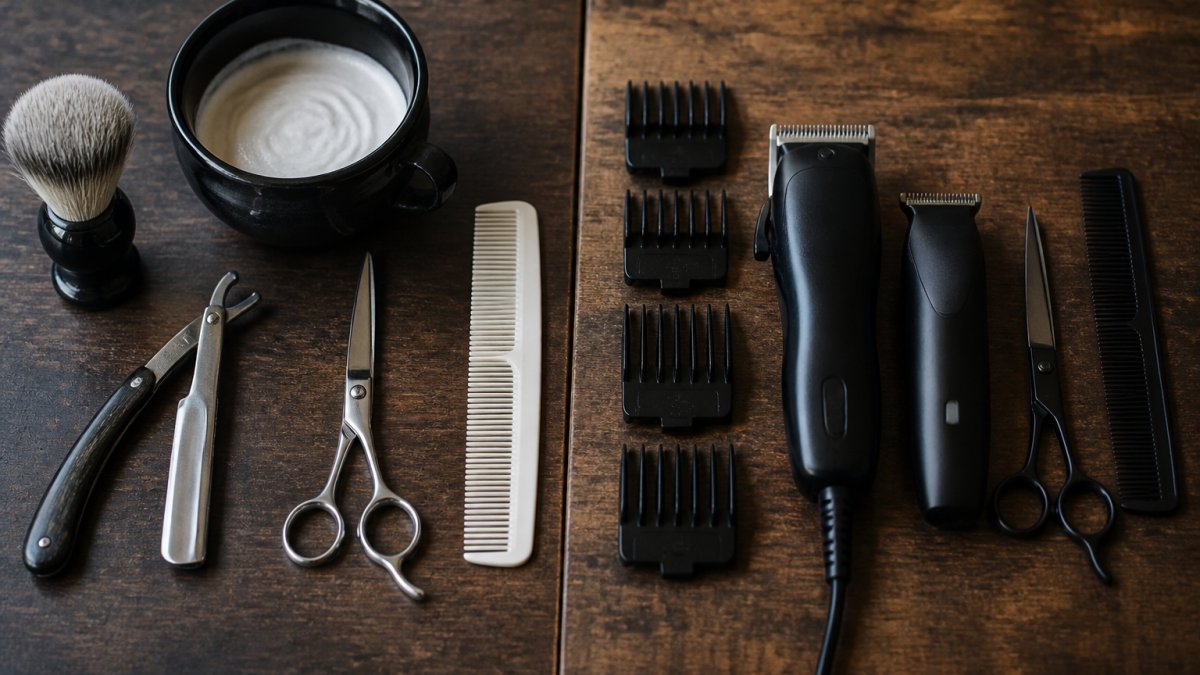
When you walk into a barbershop, you're choosing between two distinct approaches to men's grooming. Classic barber techniques rely on straight razors, scissors, and time-honored methods passed down for generations. Modern barber techniques emphasize precision clippers, fades, and contemporary styling that emerged over the last two decades. At Snips & Sips @ Studio 18, we understand that the best choice depends on your hair type, desired look, and lifestyle.
The difference goes deeper than just tools. Classic barber techniques prioritize craftsmanship and customization through hand work. Modern techniques prioritize speed and repeatability through clipper control. Both produce excellent results when executed by skilled practitioners. The question isn't which is better, it's which matches your needs.
Understanding barber techniques matters because it shapes how your haircut looks, how long it lasts, and how much maintenance you'll need between visits. A fade requires different upkeep than a scissor cut. A straight-razor shave demands different aftercare than clipper work. Knowing what you're getting helps you make an informed choice.
Classic Barber Haircut Styles and Their Foundation
Classic barber haircut styles emerged from traditional barbering and remain popular today. These cuts emphasize clean lines, structured shapes, and timeless appeal. They include pompadours, flat tops, crew cuts, and side parts, styles that have worked for decades because they suit many face shapes and hair types.
The foundation of classic styles is precision scissor work combined with straight-razor edging. A barber uses scissors to establish length and shape, then refines the outline with a straight razor for sharp, clean lines. This method allows for significant customization. The barber can taper gradually or sharply, blend sections seamlessly, or create distinct separation between different areas. The result feels intentional and structured.
Classic haircuts typically require visits every 3-4 weeks to maintain their shape. The structured lines blur as hair grows, so regular maintenance preserves the original design. This commitment appeals to men who value consistency and don't mind routine grooming appointments.
Straight-Razor Shaving and Traditional Grooming
Straight-razor shaving is the practice of using a single-blade razor to remove facial hair, creating a clean shave with minimal irritation when done properly. This technique has been central to barbering for over a century and remains a signature service at traditional barbershops.
The straight razor produces a closer shave than modern cartridge razors because the blade contacts skin at a precise angle. A skilled barber uses warm lather, proper blade angle, and controlled pressure to remove hair without nicks.
Straight-razor work requires genuine skill. The barber must understand blade pressure, skin tension, and hair growth patterns. A poor technique causes irritation, ingrown hairs, or cuts. A good technique produces a shave that feels luxurious and lasts several days without stubble.
This service fits naturally into a classic barbering experience. Many men combine a scissor haircut with a straight-razor shave in a single visit, creating a complete grooming ritual. It's slower than electric shaving but delivers superior results for men willing to invest the time.
Edging, Line-Ups, and Clean Outlines
Edging and line-ups refer to the precise definition of hairlines, sideburns, and neck areas using a straight razor or fine clipper work. These details separate a polished haircut from an unfinished one.
A clean line-up means the hairline is sharp and even. The barber removes stray hairs at the temples, forehead, and neckline to create crisp definition. Edging extends this precision to the sideburn area, creating clean angles rather than fuzzy transitions.
Classic barber techniques excel at edging because straight razors allow for ultimate precision. A barber can create a sharp line in a single controlled stroke. This detail work is what makes a classic cut feel intentional and well-maintained. It's also what requires regular upkeep, clean lines blur within 2-3 weeks as new hair grows in.
Modern Clipper Techniques and the Skin Fade Haircut
Modern barber techniques center on clipper work and precision fading. These methods emerged as barbering evolved and became more efficient without sacrificing quality. Modern clippers allow for repeatable, consistent results that work well for contemporary styles.
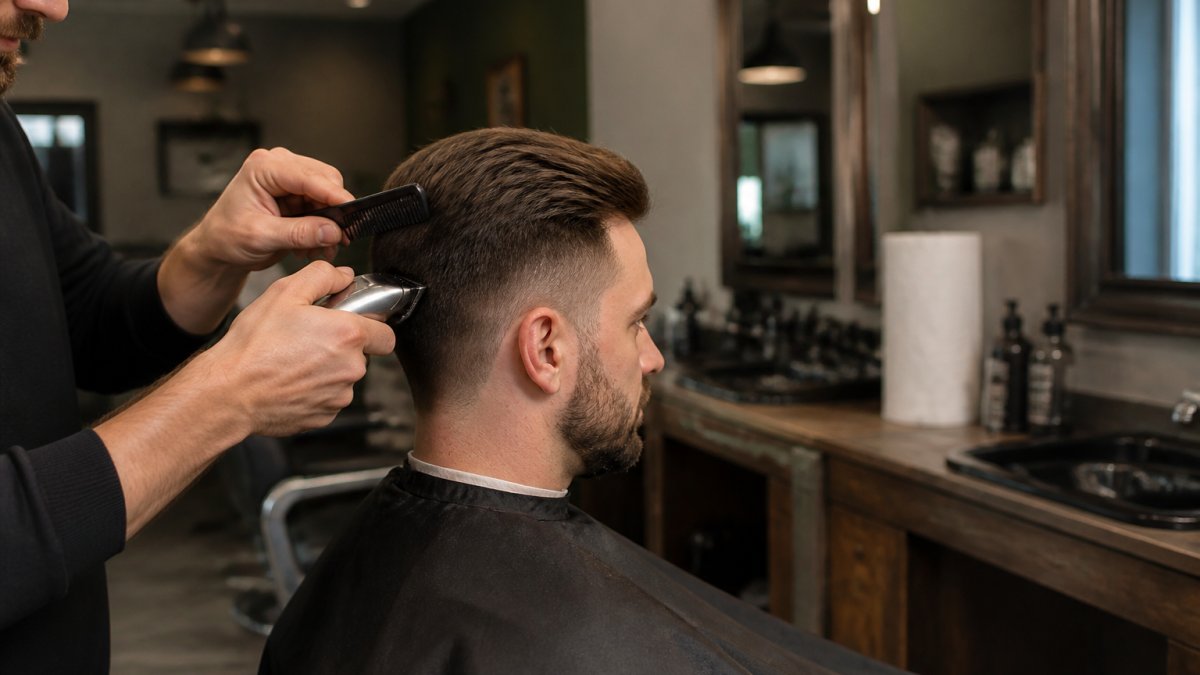
The skin fade haircut represents the pinnacle of modern clipper technique. A skin fade gradually transitions from short hair on top to bare skin at the sides and back. This creates a dramatic contrast that defines modern men's styling.
A barber executes a fade by using progressively longer clipper guards as they move up the head. A 0.5 guard creates near-skin contact. A 1 guard removes slightly more. A 1.5 or 2 guard removes even more. By layering these grades smoothly, the barber creates a gradient rather than visible steps.
Modern clipper techniques are faster than classic scissor work. A skilled barber can complete a fade in 20-30 minutes. This speed doesn't sacrifice quality, it reflects efficiency and repeatability. The same cut can be reproduced consistently, which appeals to men who like knowing exactly what to expect.
Precision Fades and Textured Cuts
Precision fades require understanding both clipper control and hair growth patterns. A high fade removes length from the temples and sides early, creating dramatic contrast. A low fade preserves more length on the sides, creating a subtler effect. A mid fade splits the difference.
The texture of the top section matters equally. Modern barbers use texturizing shears or clipper-over-comb work to create movement and definition in longer hair. This prevents the top from looking flat or dull. A textured cut has dimension and flow, catching light differently as the wearer moves.
Precision fades work best on men with straight or wavy hair and decent hair density. Thin hair or very curly hair presents challenges because the fade's lines become less defined. A skilled barber adjusts the technique to work with the client's hair characteristics rather than fighting them.
Scissor-Over-Comb Technique: Precision and Control
Scissor-over-comb is a foundational barber technique that uses scissors and a comb together to cut hair to a precise length.
The technique works by using the comb as a guide. The barber combs hair upward and outward, then cuts the exposed hair at the desired length. By adjusting comb angle and position, the barber creates graduated lengths and blends sections smoothly.
Scissor-over-comb demands significant skill. The barber must maintain consistent comb angle, steady hand pressure, and awareness of hair growth direction. A slight shift in angle changes the cut dramatically.
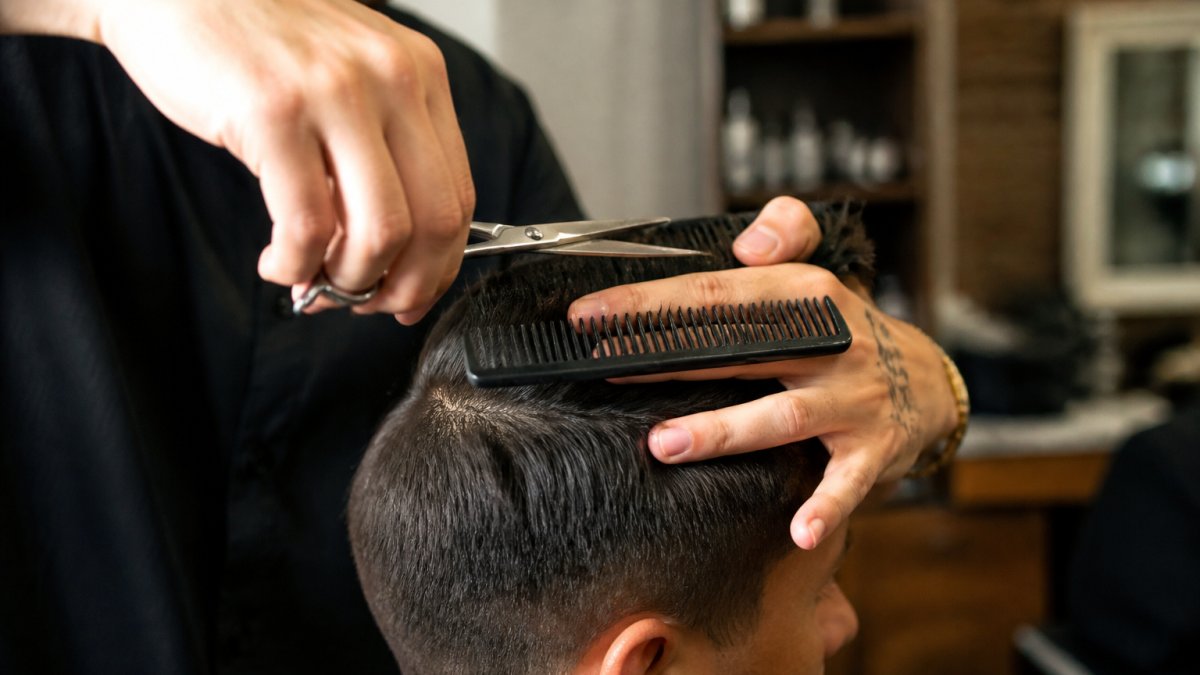
The beauty of scissor-over-comb is versatility. It works on any hair type and density. Curly hair, straight hair, thick hair, thin hair, the technique adapts. This is why many barbers consider it essential regardless of whether they specialize in classic or modern approaches.
How to Choose a Men's Haircut: Matching Technique to Hair Type
Choosing between classic and modern barber techniques starts with understanding your hair. Hair type, density, and growth patterns determine which techniques work best and which produce the best results.
Straight hair with good density works well with both classic and modern approaches. Fades look clean and defined. Scissor cuts hold shape.
Curly or textured hair requires more consideration. Fades become less defined because curl pattern disrupts clean lines. Scissor-over-comb work shines here because it can follow curl patterns and create intentional texture.
Thin hair presents challenges for fades because skin shows through more readily. Clipper lines become visible and harsh. Scissor work allows for more subtle tapering that preserves the appearance of density.
Coarse or wiry hair holds shape well and works with both techniques. The density supports clean fades. Scissor cuts maintain structure. Your choice here depends on style and maintenance preference.
| Hair Type | Best Technique | Why | Maintenance |
|---|---|---|---|
| Straight, thick | Either | Both produce clean results | 3-4 weeks |
| Curly, textured | Scissor-over-comb | Respects curl pattern | 4-6 weeks |
| Thin | Scissor-based | Softer tapering preserves density | 3-4 weeks |
| Coarse, wiry | Either | Holds shape well with both | 3-4 weeks |
Your lifestyle matters too. If you have limited time for grooming, a modern fade requires less frequent trimming than a structured classic cut.
Maintenance, Growth, and Visit Frequency
Understanding maintenance requirements helps you choose the right technique. Different barber techniques have different upkeep demands.
Classic scissor cuts with clean lines require visits every 3-4 weeks. The structured shape blurs as hair grows, and the sharp lines soften. If you want to maintain the original design, regular trims preserve it.
Modern fades have similar maintenance needs. A fade looks best when the contrast is sharp. As hair grows, the gradient becomes less defined and the top section appears longer relative to the sides.
Scissor-over-comb work can be maintained on a similar schedule, though it's more forgiving than clipper fades. The technique blends gradually, so growth doesn't create obvious lines. You can stretch appointments to 4-5 weeks without the cut looking significantly different.
Growth patterns vary by individual. Some men's hair grows visibly in 2 weeks. Others can go 6 weeks without noticeable change. Discuss this with your barber. They can recommend a schedule that matches your hair's growth rate and your style goals.
Hybrid Barbering: Blending Classic and Modern
The best contemporary barbering often blends classic and modern techniques. A barber might use clipper work for the fade, then finish with scissor-over-comb for texture and customization.
A hybrid cut might feature a modern fade with a textured top created using scissor work. The fade provides clean lines and contemporary appeal.
Another hybrid approach uses clipper-over-comb work, clippers guided by a comb rather than used freehand. This bridges classic and modern by maintaining the control of comb-guided work while using faster clipper equipment.
Many barbers today train in both classic and modern techniques specifically to offer this flexibility.
The key is communication. Tell your barber what you want the haircut to do, how it should look, how much time you want to spend styling it, how often you can visit for maintenance.
The choice between classic and modern barber techniques isn't about one being better than the other. It's about matching the right approach to your hair, your style, and your lifestyle.
Frequently Asked Questions
What's the main difference between classic and modern barber techniques?
Classic barber techniques emphasize hand-crafted precision using straight razors, scissors, and manual edging for structured, timeless shapes. Modern techniques rely heavily on clippers, fades, and textured cuts for contemporary styles. Classic work prioritizes clean lines and grooming; modern work emphasizes blending and texture. Many barbers today blend both methods depending on the desired outcome and hair type.
Is a skin fade a modern barber technique?
Yes. The skin fade, where hair gradually blends from full length down to bare skin, is a modern clipper-based technique. It requires precision clipper work and blending skills. Classic barbering did not use this approach; fades emerged as clipper technology improved and contemporary style preferences shifted toward cleaner, more dramatic transitions. Skin fades are now one of the most popular modern haircuts.
How do I know which barber technique is right for my hair type?
Hair density, texture, and length goals determine the best technique. Thick, coarse hair often suits modern clipper work and fades because clippers handle density well. Fine or thinning hair may benefit from scissor-over-comb techniques that offer more control and prevent harsh lines. Curly hair typically works better with texturizing shears and scissors rather than clippers alone. A skilled barber will assess your hair during consultation and recommend the approach that gives the best result and easiest maintenance.
How often should I visit for a classic versus modern haircut?
Modern fades and clipper-based cuts typically need a touch-up every 3-4 weeks as the fade grows out and lines blur. Classic scissor cuts and tapers can stretch to 4-6 weeks depending on hair growth rate and how defined you want the shape. Straight-razor work and detailed edging last longer if maintained well. Frequency depends on your personal grooming standard and how quickly your hair grows, but modern styles generally require more frequent visits to maintain crisp lines.