 listicle
Signs of a High Pressure Barber: What to Watch For
Table of Contents
- What Does 'High Pressure Barber' Actually Mean?
- Physical Signs a Barber Is Pressing Too Hard
- Recognizing Barber Upselling Tactics
- How to Say No to a Barber
- Questions to Ask a Barber Before a Haircut
- Why Some Barbers Apply More Pressure Than Others
- Distinguishing Normal Haircut Sensations From Harmful Pressure
- Finding a Barber Who Respects Your Comfort
- Frequently Asked Questions
Last Updated: October 10, 2026
What Does 'High Pressure Barber' Actually Mean?
A "high pressure barber" describes two distinct problems: one who applies excessive physical pressure during the haircut with clippers, razors, or hands, and one who uses aggressive sales tactics to push unwanted products or services. Both significantly impact your grooming experience.
A high pressure barber applying excessive force may be careless or inexperienced, leaving your scalp irritated or marked. The sales-pressure variant operates through upselling rather than technique.
This guide breaks down both meanings so you can recognize warning signs during your next appointment and know exactly how to respond.
Physical Signs a Barber Is Pressing Too Hard
Excessive pressure with clippers and razors
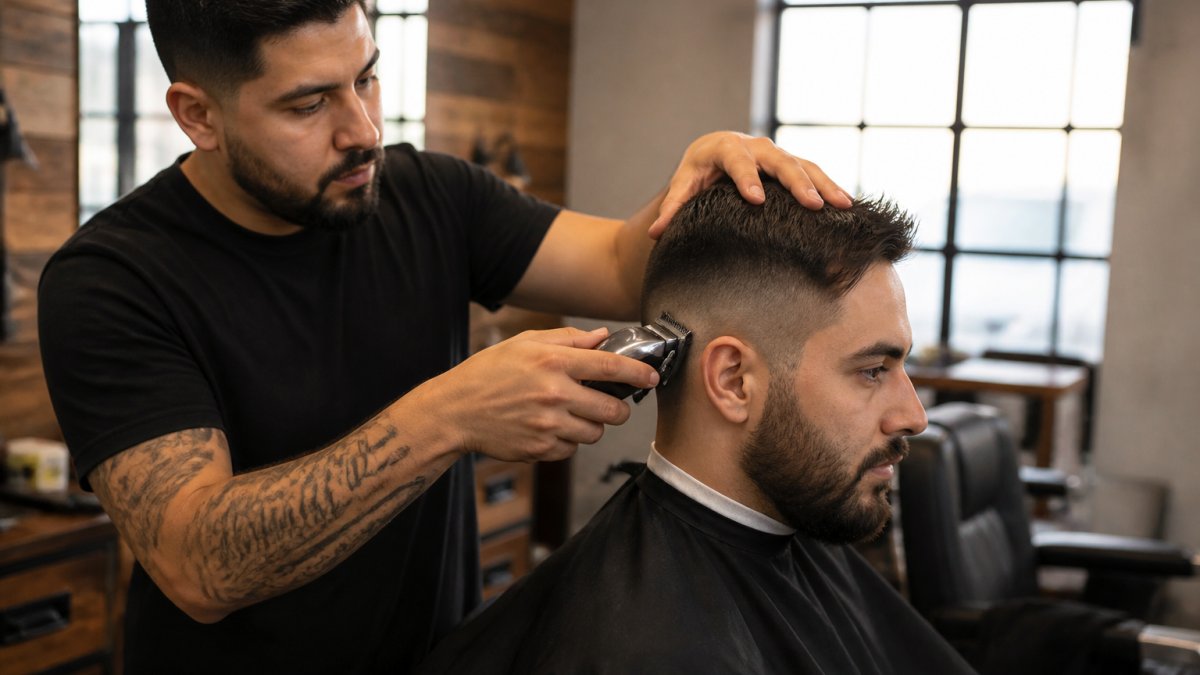
A skilled barber uses controlled pressure; excessive force causes blades to dig into your scalp instead of gliding smoothly, creating a scraping sensation that's uncomfortable or painful.
Watch for white knuckles gripping the clipper or stuttering/grinding sounds instead of steady buzzing, signs the blades are struggling against your skin.
With razors, you should feel only smooth gliding, never pushing or digging. Excessive pressure risks nicks. Speak up immediately; a quality barber will adjust without hesitation.
Aggressive scalp massage or pressure during service
A scalp massage should feel relaxing, using fingertips or palm pressure to stimulate circulation. An aggressive barber digs their fingers in painfully, sometimes leaving marks.
Good pressure feels therapeutic; excessive pressure causes soreness for hours or red marks from fingernails.
Red marks, irritation, or rash after your haircut
After a quality haircut, your scalp should feel clean and refreshed. Red marks fading within an hour are normal, but rashes or irritation lasting hours indicate excessive pressure.
Small bumps or pustules suggest either unsanitized tools or pressure intense enough to create micro-abrasions that became infected.
If you notice these signs, don't return to that barber. Your skin is telling you the experience wasn't safe.
Recognizing Barber Upselling Tactics
Pushy product recommendations and add-on services
This is where the second meaning of "high pressure barber" comes in. Some barbers treat every appointment like a sales opportunity. They'll recommend products you didn't ask for, suggest treatments you don't need, or push add-ons that weren't part of your original plan.
Listen for phrases like "You really should try..." or "Most guys are getting...", classic upselling. A barber focused on your needs mentions products only if they solve a problem you mentioned.
Beware of "limited time" claims creating artificial urgency. Real barbershops stand behind offerings year-round; scarcity claims are pressure tactics.
Creating urgency or scarcity around treatments
High-pressure barbers claim products are running out or prices are increasing. You're there for a haircut, not a rushed purchase decision.
A quality barber explains offerings, answers honestly, and lets you decide without pressure.
How to Say No to a Barber
You don't owe a barber a purchase or explanation. A simple "No, thanks" is complete.
If a barber persists after you've said no, that's disrespectful. A professional accepts your decision and moves on. Find a different barber if pressure continues.
Questions to Ask a Barber Before a Haircut
Ask upfront: "How much pressure do you typically use?" A barber aware of this issue gives thoughtful answers and asks about your preferences.
Ask "What's your approach if I feel uncomfortable?" A good barber expects this and promises to adjust immediately.
Ask: "What's included in the haircut price, and what costs extra?" This forces transparency.
Why Some Barbers Apply More Pressure Than Others
Understanding why a barber applies excessive pressure helps you identify whether it's a fixable issue or a sign to find someone else.
Experience and motor control
Newer barbers often lack fine motor control and compensate by pressing harder, falsely assuming more force equals better results. Skilled barbers use minimal pressure because they trust their technique.
Inexperienced barbers show tense grips, white knuckles, or shaking hands. Experienced barbers hold tools with relaxed, confident grips and smooth, deliberate movements.
Ask how long the barber has been cutting hair. Five-plus years of experience typically means refined pressure control.
Hand fatigue and occupational strain
A barber tired from all-day work may unconsciously increase pressure due to hand and forearm fatigue, reducing fine motor control.
Fatigued barbers lose pressure calibration, explaining quality inconsistencies in high-volume shops throughout the day.
Schedule early in the day or mid-week for a fresh barber with better control. If a barber seems tired, ask to reschedule or request another.
Training and learned technique
Some barbers never learned proper technique due to poor training. Barbers trained through formal apprenticeship typically apply less pressure than those with quick certification.
Barbershops emphasizing apprenticeship-based training or accreditation teach pressure control as foundational.
Personality and work philosophy
Some barbers operate under a "harder is better" mentality and won't adjust because they don't see excessive pressure as a problem.
Pay attention to how barbers respond to pressure questions. Defensive answers suggest they won't adjust; thoughtful responses suggest willingness to adapt.
Barber health: occupational hypertension and stress
Barbering is physically demanding with occupational health risks including high blood pressure and repetitive strain. A barber managing untreated conditions might unconsciously apply more pressure.
A barber aware of their own health risks is more likely to be mindful of how their condition affects their work.
For barbers reading this: if you're experiencing hand pain, fatigue, or elevated blood pressure, these are warning signs to address. Occupational health resources, ergonomic tool modifications, and regular breaks can help. Your health directly impacts the quality and safety of your work, and your clients deserve a barber who's physically and mentally well.
Distinguishing Normal Haircut Sensations From Harmful Pressure
During a quality haircut, you should feel the clippers or razor moving across your scalp. You might feel slight vibration from the clippers. You might feel the barber's hands positioning your head. These sensations are normal.
What you shouldn't feel is pain, sharp discomfort, or that scraping sensation. The challenge is that different services produce different sensations, and knowing what's normal for each one helps you speak up before irritation develops.
Clipper work (fades, tapers, and general cuts)
When clippers are applied correctly, you feel a smooth, rhythmic vibration as the blade glides across your scalp. The sensation should be consistent and even. A barber using proper technique applies just enough pressure to keep the clipper head in contact with your skin, no more.
If you feel the clipper "catching" or stuttering as it moves, that's a sign of excessive pressure. The blade is digging into your skin instead of cutting cleanly. You might also hear a grinding or labored sound from the clipper motor, which indicates the barber is forcing the blade against resistance. Stop and ask the barber to lighten their touch. A skilled barber will adjust immediately without defensiveness.
Another red flag: if the barber is using one hand to stretch your skin tight while cutting with the other, and that stretching feels painful or leaves marks, the pressure is too high. Proper technique uses gentle guidance, not aggressive tension.
Razor work (shaves, line-ups, and edge details)
A straight razor or detail blade should feel like it's barely touching your skin. You should feel the blade gliding, not pressing. If you feel any pushing, digging, or resistance, the barber is applying too much pressure and risks nicking you.
During a full shave, a quality barber uses short, controlled strokes with the grain of your beard. You might feel slight warmth from the blade and the barber's hands, but no pain. If you feel sharp discomfort, burning, or a scraping sensation, speak up immediately. A professional will stop and reassess their technique or switch to a fresh blade.
For line-ups and edge work, the barber should use a light hand. You're not supposed to feel significant pressure at all. If the barber is pressing hard to cut a clean line, they're compensating for a dull blade or poor technique. Either way, it's not your problem to tolerate, ask them to adjust.
Scalp massage and washing
When a barber washes your hair or includes a scalp massage, the sensation should be relaxing, not painful. A proper massage uses fingertips or the heel of the palm to stimulate circulation. Pressure should feel therapeutic, firm enough to be effective, but not so intense that you're wincing or gritting your teeth.
If you feel fingernails digging into your scalp, or if the barber is scrubbing so hard your head is being pushed around, that's excessive. Your scalp might feel sore for hours afterward, or you might see red marks where nails dug in. A good barber will ask "Is the pressure okay?" during this part of the service. If yours doesn't, and the pressure feels wrong, say so. You're paying for a relaxing experience, not a punishment.
Aftereffects: the real test
Normal sensations fade quickly. After a quality haircut, your scalp might feel slightly tingly from the clippers for a few minutes, but that sensation should disappear within 15-30 minutes. Your skin should return to its baseline state.
If you feel soreness, persistent redness, or irritation hours after leaving the barbershop, excessive pressure was the cause. Some people develop small bumps, pustules, or a rash on their scalp or neck in the days following a haircut. This can indicate either unsanitized tools or pressure so intense it created micro-abrasions that became irritated or infected.
Trust this feedback. Your skin is telling you something went wrong. Don't return to that barber, and if the irritation persists beyond a few days, consider seeing a dermatologist to rule out infection.
Finding a Barber Who Respects Your Comfort
Start by asking for recommendations from friends or colleagues who seem satisfied with their barbers. Personal referrals are the most reliable way to find someone who prioritizes comfort and skill.
When you visit a new barbershop, observe how the barber interacts with other clients. Do they seem relaxed? Are clients chatting comfortably, or do they look tense?
Pay attention to how the barber responds when you ask questions or express preferences. If they listen carefully and adjust their approach, that's a good sign.
The environment matters too. At Snips & Sips @ Studio 18, we focus on creating a relaxed atmosphere where you feel comfortable speaking up about your needs.
Finally, trust your gut. If something feels off during your first visit, you don't need to go back. There are plenty of barbers out there.
Finding the right barber means knowing what to watch for and having the confidence to speak up.
Frequently Asked Questions
What are the signs of a high-pressure barber?
Signs include visible red marks or irritation on your scalp after the cut, discomfort from excessive clipper or razor pressure, aggressive product upselling, and a rushed or dismissive attitude toward your preferences. A high pressure barber may also apply unnecessary force during scalp massages or refuse to adjust their technique when you express discomfort. Pay attention to how you feel during and after your visit, physical pain or irritation is never normal.
How can you tell if a barber is trying to upsell you?
Watch for barber upselling tactics like recommending multiple products you didn't ask for, creating artificial urgency ('This treatment is on sale today only'), or insisting that add-on services are essential for your haircut. A barber using pressure sales may interrupt your haircut to pitch treatments, dismiss your budget concerns, or suggest expensive services as 'necessary maintenance.' Legitimate barbers inform you of options without making you feel obligated.
What questions should you ask a barber before a haircut?
Ask questions to ask a barber before a haircut such as: 'How long will this take?', 'What's included in the base price?', 'Do you recommend any add-on services, and are they optional?', 'How do you handle adjustments if I'm not satisfied?', and 'What's your approach if I have sensitive skin?' These questions help you understand expectations upfront and identify whether the barber respects your autonomy and comfort.
How do I politely say no to a barber?
Use clear, direct language: 'I appreciate the suggestion, but I'm going to pass on that today' or 'That's not in my budget right now.' You don't owe a detailed explanation. If you're learning how to say no to a barber, remember that a professional will respect your decision without guilt-tripping or pushing further. If they continue to pressure you, that's a red flag to find a new barber.