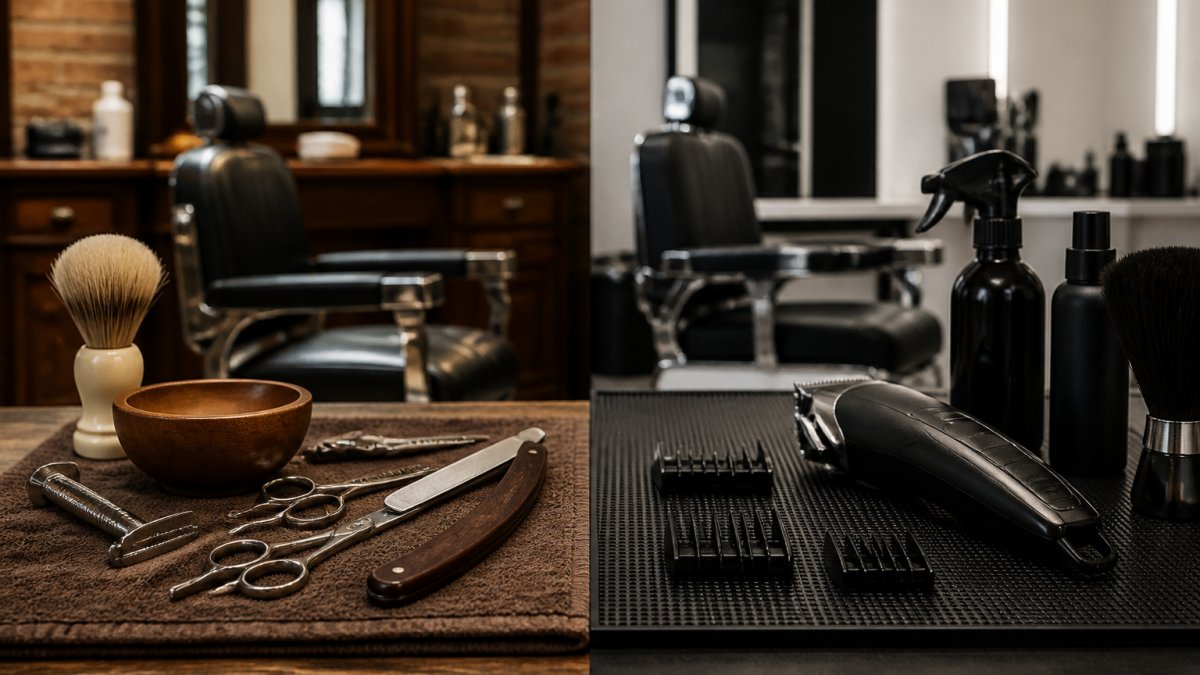
 comparison
Modern vs Traditional Barber Shop: Key Differences
Table of Contents
- Modern vs Traditional Barber Shop: A Side-by-Side Comparison
- Barbershop vs Salon: Where the Line Blurs
- Traditional Barbershop Services and What to Expect
- The Modern Barbershop Experience: Atmosphere, Amenities, and Booking
- Haircut Styles, Clipper Work, and Beard Grooming Compared
- The Barbershop Haircut Consultation: Getting the Cut You Want
- How to Choose: Haircut, Hair Texture, and Grooming Goals
- Frequently Asked Questions
Last Updated: October 19, 2026
Modern vs Traditional Barber Shop: A Side-by-Side Comparison
Walk into two barber shops on the same street and you may feel like you've stepped into two different decades. The modern vs traditional barber shop differences come down to atmosphere, booking style, services, and how the cut itself gets built. At Snips & Sips @ Studio 18, we blend classic grooming techniques with a modern, laidback atmosphere. Below, we break down what actually separates the two formats so you can pick the right chair.
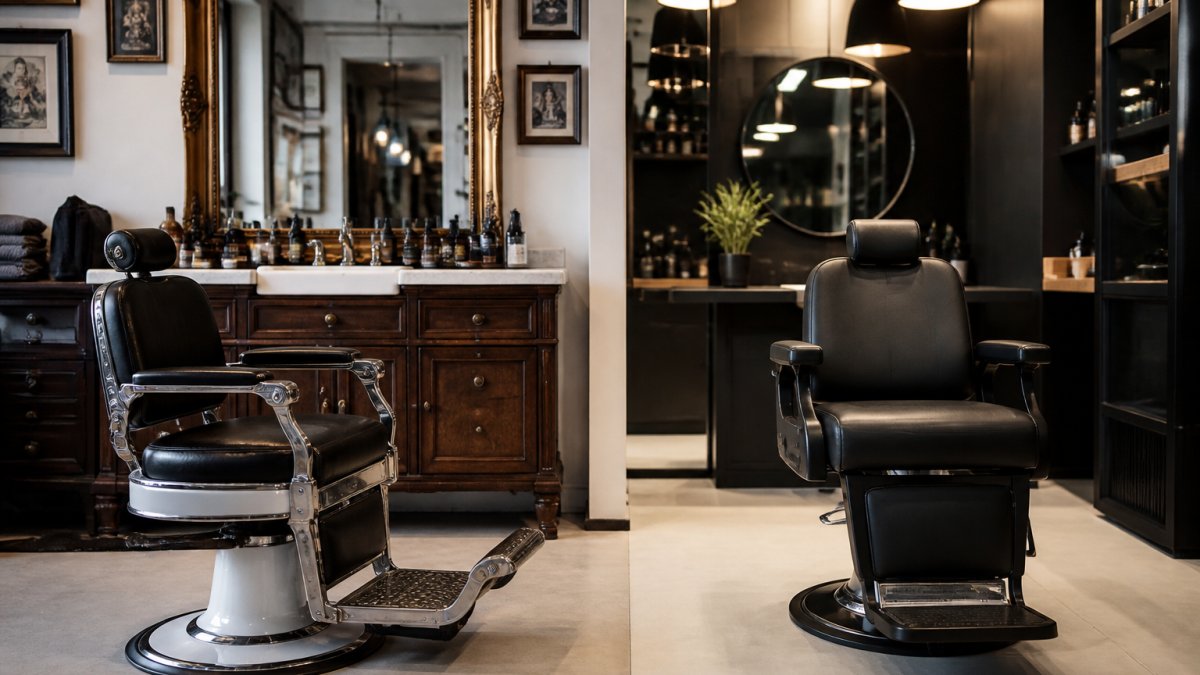
Here's the short version before the detail: a traditional barber shop leans on walk-ins, clipper work, and a fast, no-frills rhythm. A modern barber shop leans on appointments, consultation, and a room designed to slow you down. Neither is better at cutting hair. They're better at different things.
| Factor | Traditional Barbershop | Modern Barbershop |
|---|---|---|
| Booking | Walk-in, first come | Appointments, online booking |
| Pace | Fast turnover | Longer, unhurried slots |
| Services | Cuts, fades, beard trim, shaves | Cuts, styling, coloring, beard work |
| Atmosphere | Functional, social, busy | Designed, relaxed, quieter |
| Tools | Clippers, straight razor | Clippers, scissors, styling products |
| Price | Lower | Higher |
What 'Traditional' and 'Modern' Actually Mean
A traditional barbershop is a grooming business built around speed, walk-in service, and a social, no-frills room. A modern barbershop is the same trade organized around appointments, consultation, and a designed environment. The stereotype says traditional means old-fashioned and modern means trendy. That's wrong. Plenty of traditional shops cut sharp, current fades, and plenty of modern shops still finish a neckline with a straight razor. The real difference is how the visit is structured, not whether the barber can cut.
Barbershop vs Salon: Where the Line Blurs
The barbershop vs salon split used to be clean: barbers for short hair and beards, salons for longer hair and color. That line has blurred. Modern barber shops increasingly offer scissor work, styling, and coloring, while salons have moved into men's grooming. Zenoti's comparison of salons and barbershops covers services, shop culture, and licensing as the main dividing points. In practice, the useful question isn't "barber or salon" but "who does the specific cut and texture I want." Ask that instead.
Traditional Barbershop Services and What to Expect
Traditional barbershop services are built for maintenance, not transformation. The menu is short and the rhythm is fast, and that combination is the whole point. Here is what a typical traditional shop actually puts in front of you, and what each service involves.
The core menu. A clipper cut or buzz cut is the fastest ticket, usually finished in fifteen to twenty minutes. A fade adds tapering work at the sides and back and runs closer to thirty minutes. A beard trim covers line work, length control, and a finish at the neck and cheeks. A straight-razor shave with hot towels is the longest single service and the one most tied to the traditional identity. Many shops also offer a lineup or edge-up as a standalone quick service between full cuts.
How the walk-in queue works. Traditional shops run on first come, first served. You put your name on a list, sit down, and wait. On a weekday morning the wait may be ten minutes; on a Saturday it can run an hour or more. Some shops now offer a call-ahead or a digital waitlist, but the default is still show up and wait. That model keeps overhead low, which is why traditional shops tend to sit at the lower end of the local price range for a basic cut.
What you give up. The trade-off is time for a haircut consultation. A traditional cut is often decided in under a minute: length on top, number on the sides, done. That is fine for a maintenance cut you have had before. It is a weaker fit if your hair has a tricky growth pattern, a cowlick, or a part that needs to be worked around, or if you want a style change rather than a tidy-up. The barber is moving fast because the business model rewards turnover.
What you get that modern shops sometimes lose. Speed, a lower price, and a room with real social texture. Traditional shops are often loud, busy, and full of regulars who know each other. For a lot of clients that atmosphere is the product as much as the cut is.
A note on price and upkeep. Because traditional cuts are built for short hair and frequent visits, the real cost comparison is not one haircut against one haircut. It is how often you need to come back. A tight fade looks sharp for about two to three weeks before the sides grow out. If you keep that schedule, the lower per-cut price adds up across a year. The modern shop's higher ticket often buys a cut that holds its shape longer because more time went into the shape itself.
The Modern Barbershop Experience: Atmosphere, Amenities, and Booking
The modern barbershop experience is defined less by decor than by how the business is run. Appointment-based booking, a designed interior, and a calmer pace are the visible layer. Underneath them sit real operational changes that separate a contemporary shop from a traditional one, and most comparisons never get to them.
Booking and scheduling. Modern shops run on appointments, usually through online booking that shows real-time availability. That means you pick a barber, a service, and a slot without a phone call, and you can see evening and weekend openings that traditional walk-in shops cannot promise. The practical effect is that your time is reserved.
Digital consultation and portfolios. Many modern barbers post their work on social media and link a portfolio from the booking page. That changes the consultation before you ever sit down: you can see how a specific barber handles your hair texture, your length, and the style you want, and you can send a reference photo in advance.
Payment and checkout. Cashless payment is common, and many shops take card, tap, and mobile wallets at the chair. Tipping is often handled digitally at checkout rather than in cash. Ask upfront whether product is included or optional, and say no without guilt. A good shop will not pressure you.
Atmosphere as function, not decoration. Warm lighting, calming music, and a room built for sitting are the obvious markers. What most guides miss is that the quieter room is what makes a real consultation possible.
Price and maintenance. Modern shops tend to sit at the higher end of the local range for a cut, and the higher ticket usually reflects longer appointment slots and more consultation time. The offset is maintenance frequency: a cut built around shape and texture can hold its line longer than a tight fade, so you may visit less often.
What you give up. Spontaneity. A modern shop rewards planning, and a walk-in on a busy day may be turned away or asked to book. If you want a cut today with no appointment, a traditional shop is the more reliable bet.
The bottom line on the modern model. The atmosphere is the part you notice. The booking system, the portfolio, the digital checkout, and the longer consultation are the parts that actually change your result. Judge a modern shop on those mechanics, not on the lighting.
Haircut Styles, Clipper Work, and Beard Grooming Compared
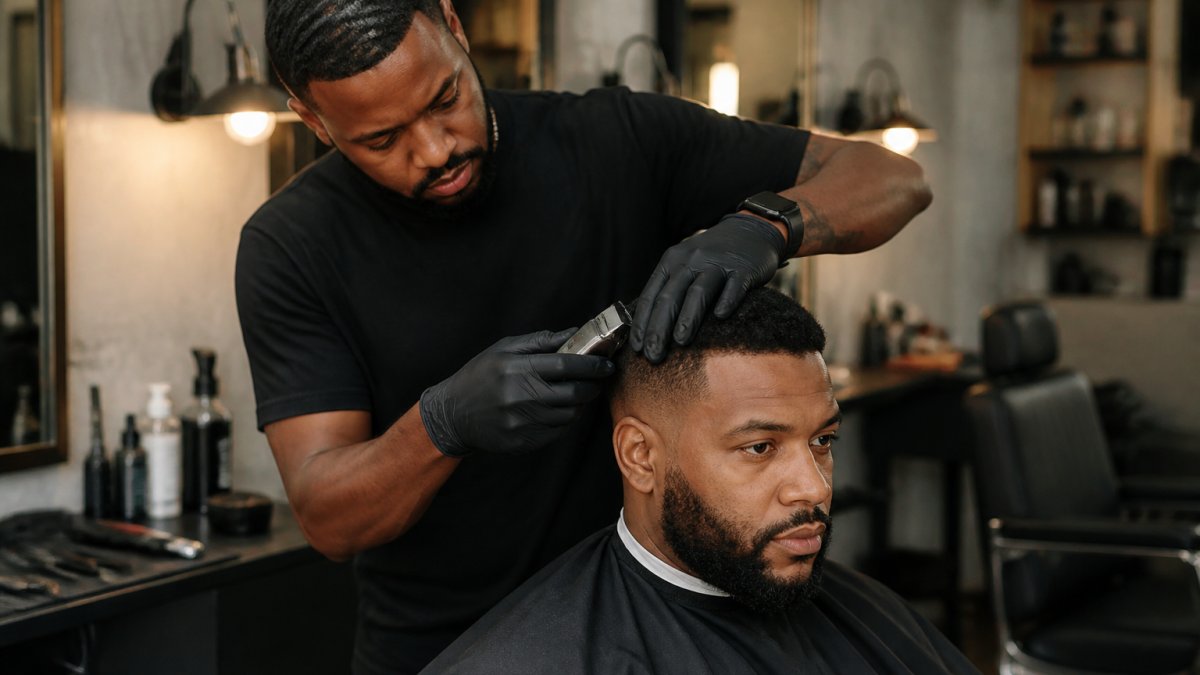
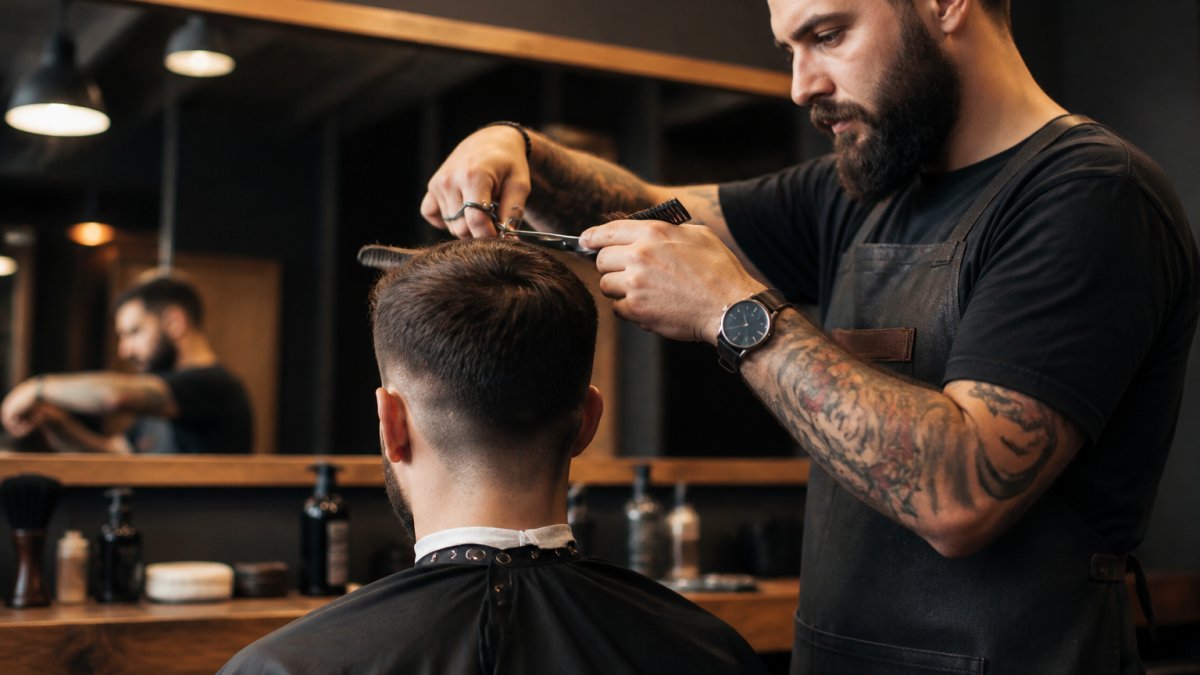
Modern haircut styles lean toward shape, texture, and contrast, while classic haircuts favor clean lines and a predictable finish. Cutting Gallery's guide to classic vs modern men's haircuts makes that distinction clearly: contemporary cuts are more shaped and textured, classic cuts are more uniform. Neither format owns a style. A traditional shop can deliver a tight fade; a modern shop can deliver a classic side part. What changes is the tool mix. Clipper-heavy work suits short hair and fades. Scissor work and styling suit longer hair and natural texture. Beard grooming sits in both worlds, from a quick trim to a full straight-razor shave.
The Barbershop Haircut Consultation: Getting the Cut You Want
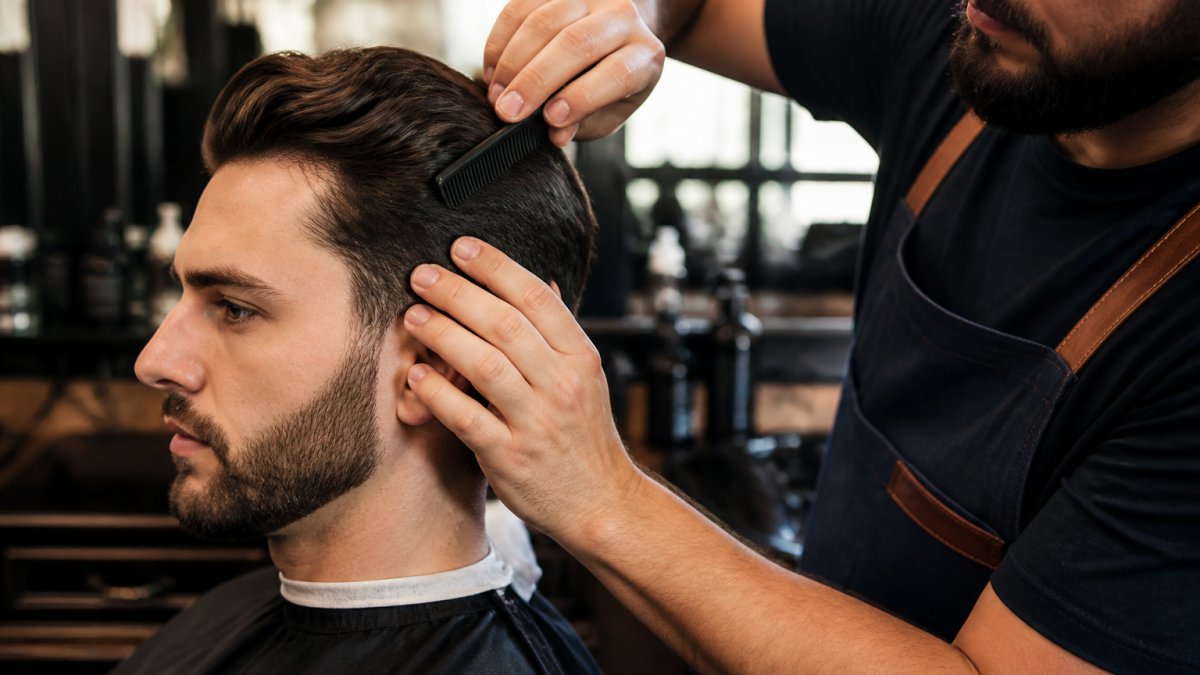
A barbershop haircut consultation is the short conversation before the cut where you and the barber agree on length, shape, and finish. In a traditional shop it may be thirty seconds. In a modern shop it's often a few minutes, and that's where the value sits. Come prepared: bring a photo, name the length you want on top and sides, and mention how much time you spend styling. If you have cowlicks, a widow's peak, or fine hair, say so. A barber who asks about your routine before picking up clippers is a barber who will get it right.
How to Choose: Haircut, Hair Texture, and Grooming Goals
Choose based on your hair and your calendar, not the decor. Use this checklist:
- Short hair, frequent trims, fast visits: a traditional walk-in shop fits
- Longer hair, natural texture, or color: look for scissor work and styling
- Tight schedule: prioritize online booking and evening slots
- Style change or first-time client: prioritize consultation time
- Beard-focused grooming: confirm straight-razor and beard work on the menu
That's the practical side-by-side most comparisons skip. Traditional wins on speed and price. Modern wins on booking, consultation, and comfort. If you want both, look for a shop that pairs classic technique with a relaxed, modern room. That's exactly how we've built Snips & Sips @ Studio 18: classic grooming and a laidback environment.
Frequently Asked Questions
What's the difference between a traditional and a modern barbershop?
Traditional barbershops focus on classic scissor cuts, clipper work, straight-razor shaves, and a community feel, often with walk-in service. Modern barbershops keep the same barbering skills but add appointment booking, designed interiors, and amenities like espresso or whiskey. The haircut quality can be equal at both; the difference is mostly in atmosphere, booking style, and how much extra service surrounds the cut.
Do modern barbershops still offer traditional barber services?
Most do. A modern barbershop experience usually includes the same core traditional barbershop services: fades, buzz cuts, scissor cuts, beard trims, and hot-towel shaves. The modern part is typically the setting and scheduling, not a replacement of technique. Ask during booking whether straight-razor shaves and beard work are offered, since some newer shops trim beards but skip razor shaves.
Are modern barbershops more expensive than traditional ones?
Not always, but modern shops often charge more because of amenities and appointment-based scheduling. Pricing at any specific shop depends on services, location, and demand, so confirm current rates directly with the shop before booking rather than assuming a range.
How do I choose the right barbershop for my haircut?
Match the shop to your hair and goals. Short hair, fades, and clipper work suit most barbershops. Long hair, coloring, or textured styling may need a shop with visible portfolio work in that area. Book a barbershop haircut consultation if you are unsure, and check recent photos of cuts similar to yours. Also weigh booking style and hours against your schedule, since a great cut you cannot fit in is not much use.
What should I expect at my first barbershop appointment?
Expect a short consultation before the cut: your hair history, how you style it, and how often you want to return. Bring a photo if you have a specific look in mind. A standard cut takes roughly 30 to 45 minutes, longer with beard work or a shave. Ask about maintenance frequency and aftercare so the cut holds its shape between visits.
The real challenge isn't picking a side. It's finding a chair that respects your time and gets your hair right. At Snips & Sips @ Studio 18, we blend classic grooming techniques with a modern, relaxed atmosphere, so you get the precision of a traditional barber in a room built to slow down. Book online, tell us what you want, and leave looking sharp. Get started with Snips & Sips @ Studio 18 and make your next cut the easiest part of your week.